Analysis, investment perspectives, and fund news across energy transition and resilient infrastructure systems.
Picture a small electric Renault parked on a street in Utrecht. It belongs to a car-sharing fleet, and right now nobody has booked it. Most cars would simply sit there. This one is working. Through a bidirectional charger, it is pushing electricity back into one of the most congested power grids in Europe, helping the local network stay below its limits during the evening peak. Tomorrow morning someone will drive it to a meeting and never notice.
Metris has raised a $5M seed round to build the data layer for the physical world of energy. PT1 co-led the round alongside Octopus Ventures, AENU and Blackfinch, with participation from Plug and Play and Love Ventures.
Some of the best conversations in venture don't happen over email. They happen in a hallway between sessions, over a coffee that runs twenty minutes longer than planned, or at a side-event dinner where nobody's checking their phone.
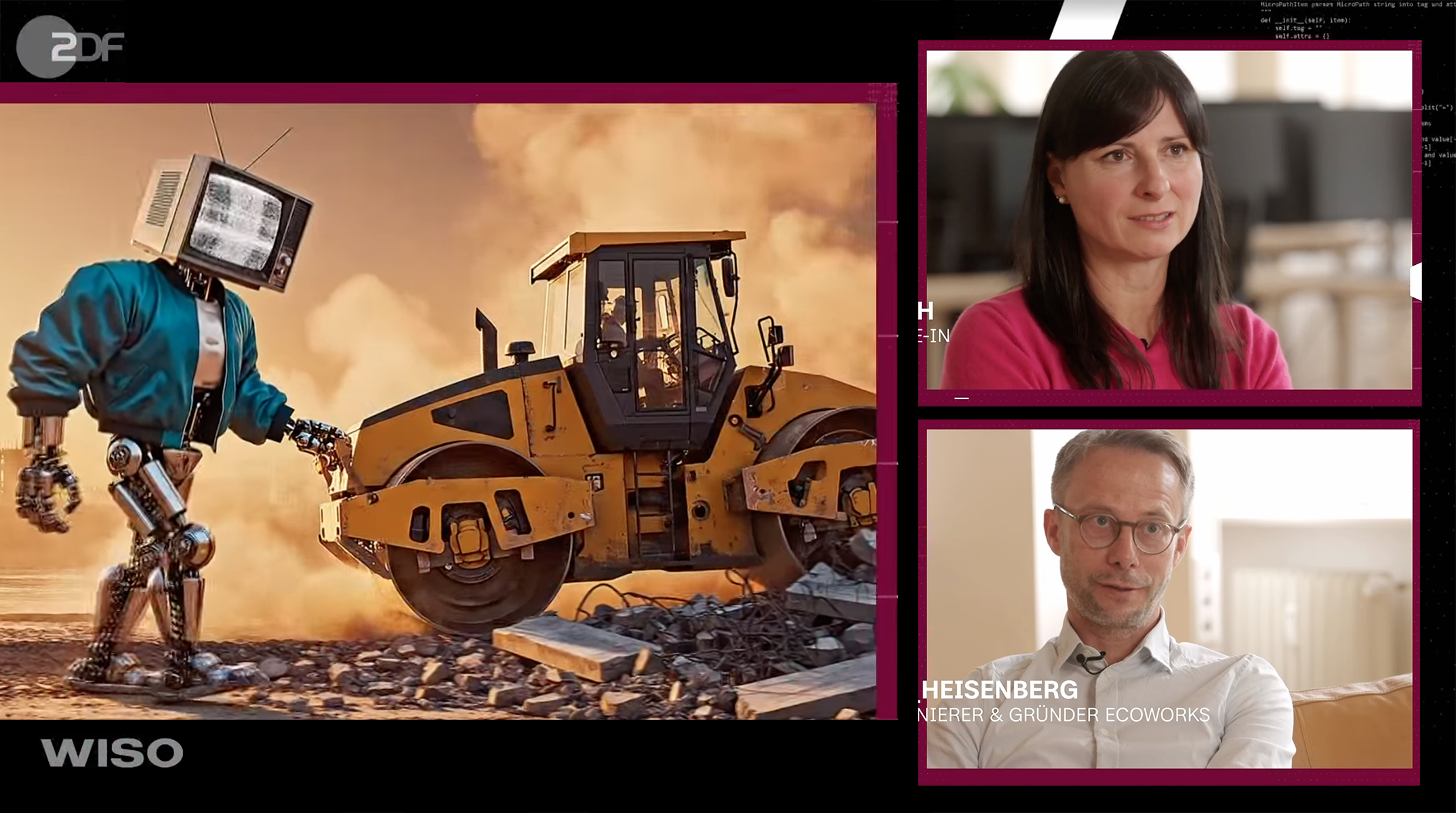
Germany has a building problem, and everyone can feel it. Flats are scarce, schools are overcrowded, kindergarten places run out before the applications are even processed, and the backlog of buildings waiting to be renovated keeps growing.
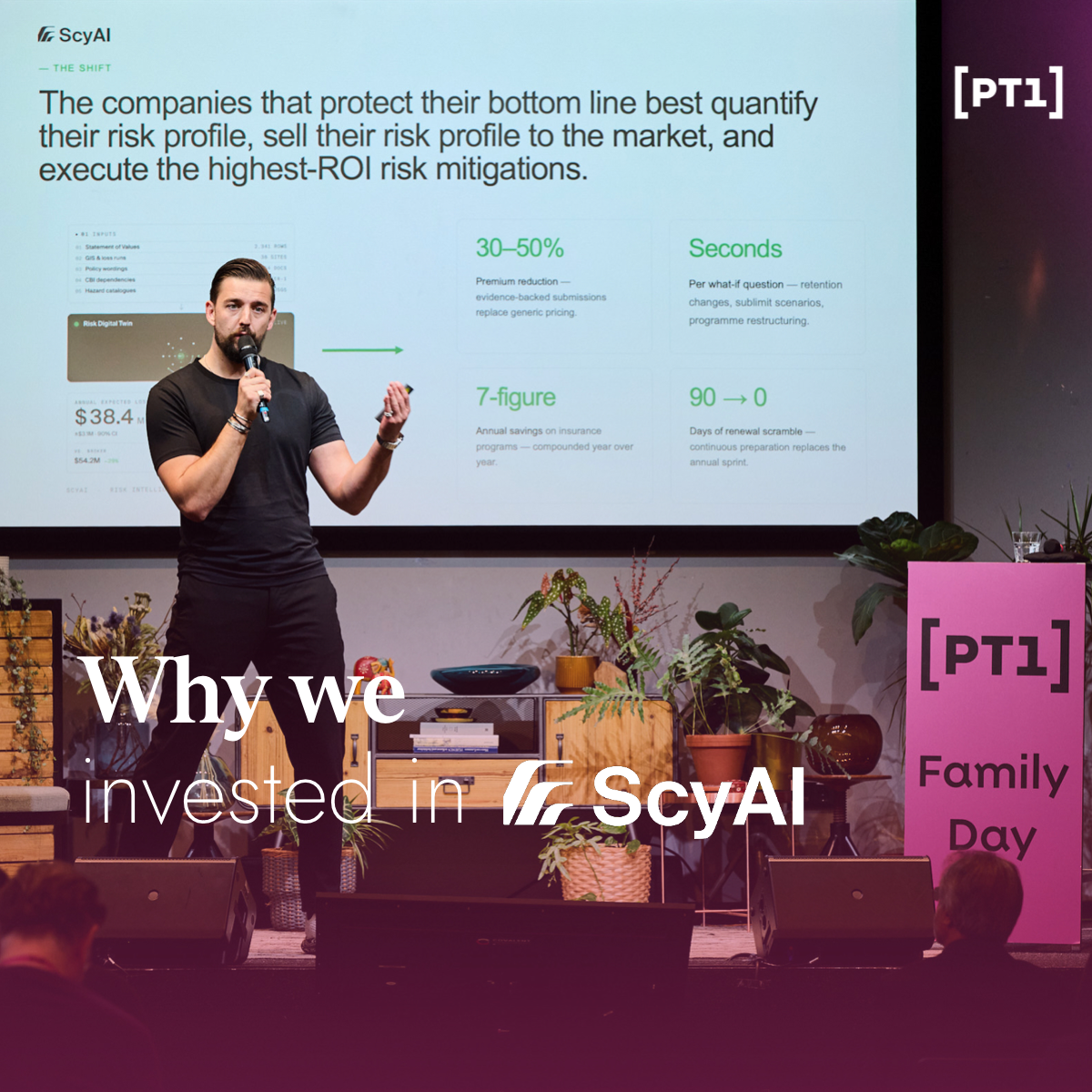
In 2024, natural catastrophes cost the global economy $417 billion, according to Gallagher Re. Behind that number sits a quieter problem: most large companies cannot actually prove their own risk.
A single 30-degree heat day costs Germany 431 million euros. And 97 percent of that is not people calling in sick; it is lost productivity.
There are not enough homes, and there are not enough people to build them. Across the US, UK, and EU, roughly 15 million homes are missing. Closing that gap the traditional way would take around 7.5 billion additional hours of construction labour, and that labour does not exist.
Outside SuperReturn in Berlin last week, there were protesters. Their worry: that money meant for pensions and public welfare might end up flowing into capital markets.
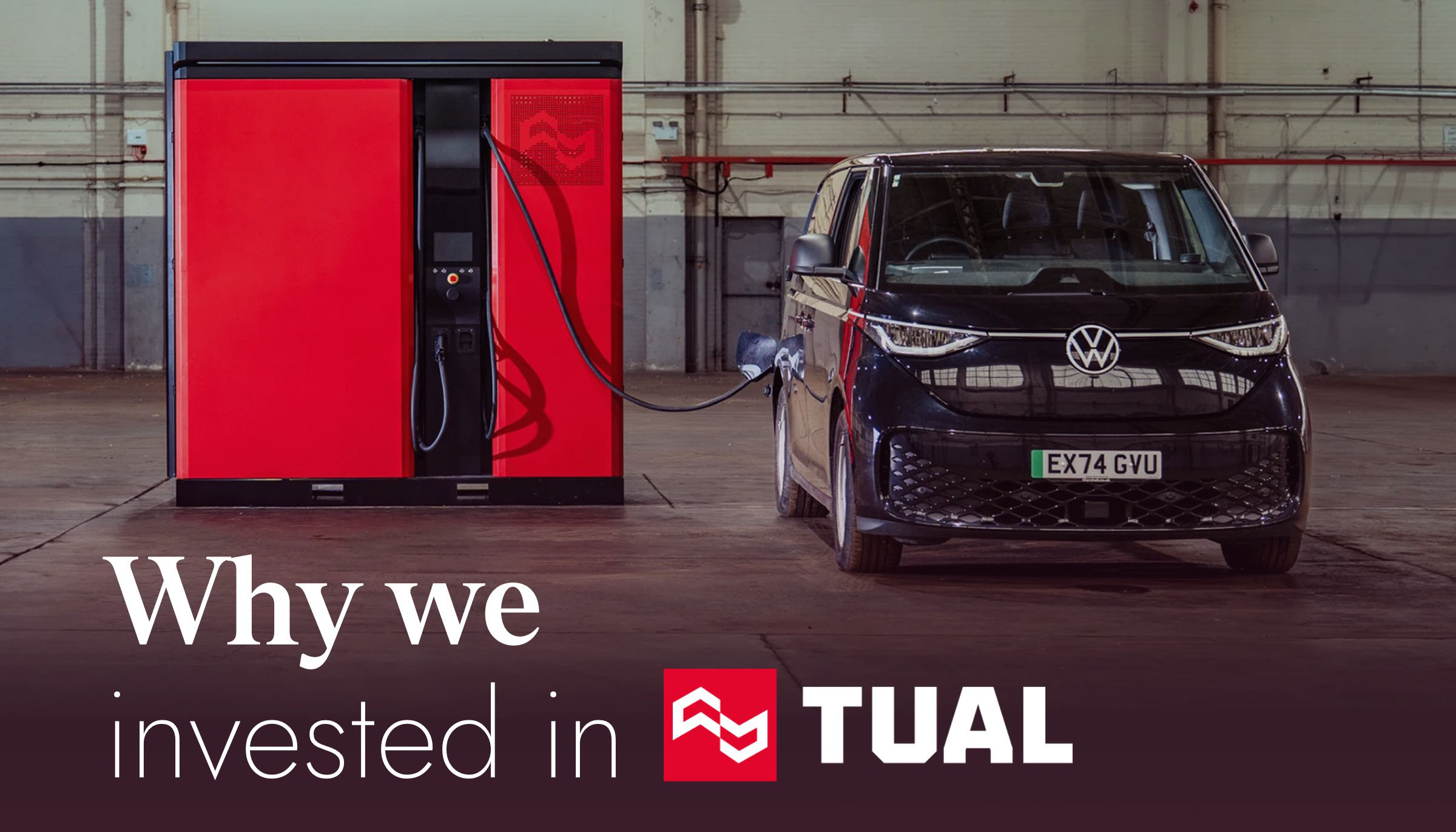
Every day, millions of commercial vehicles keep modern life functioning: police cars and ambulances, the vans of water utilities and grid operators, delivery trucks moving goods between warehouses and stores. These vehicles belong to what the industry calls fleets, groups of vehicles owned and operated by a single organisation.