Analysis, investment perspectives, and fund news across energy transition and resilient infrastructure systems.
Germany has a building problem, and everyone can feel it. Flats are scarce, schools are overcrowded, kindergarten places run out before the applications are even processed, and the backlog of buildings waiting to be renovated keeps growing.
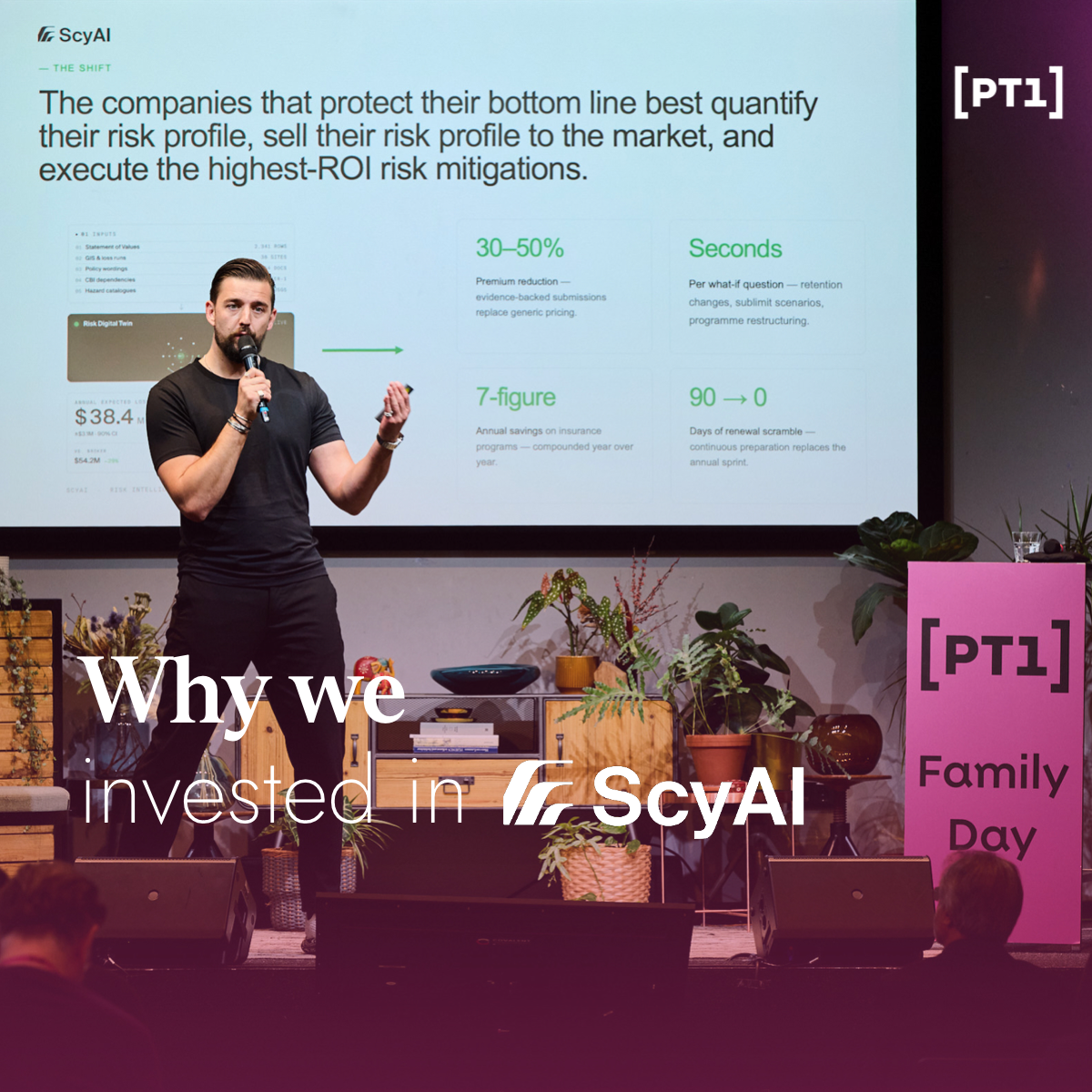
In 2024, natural catastrophes cost the global economy $417 billion, according to Gallagher Re. Behind that number sits a quieter problem: most large companies cannot actually prove their own risk.
A single 30-degree heat day costs Germany 431 million euros. And 97 percent of that is not people calling in sick; it is lost productivity.
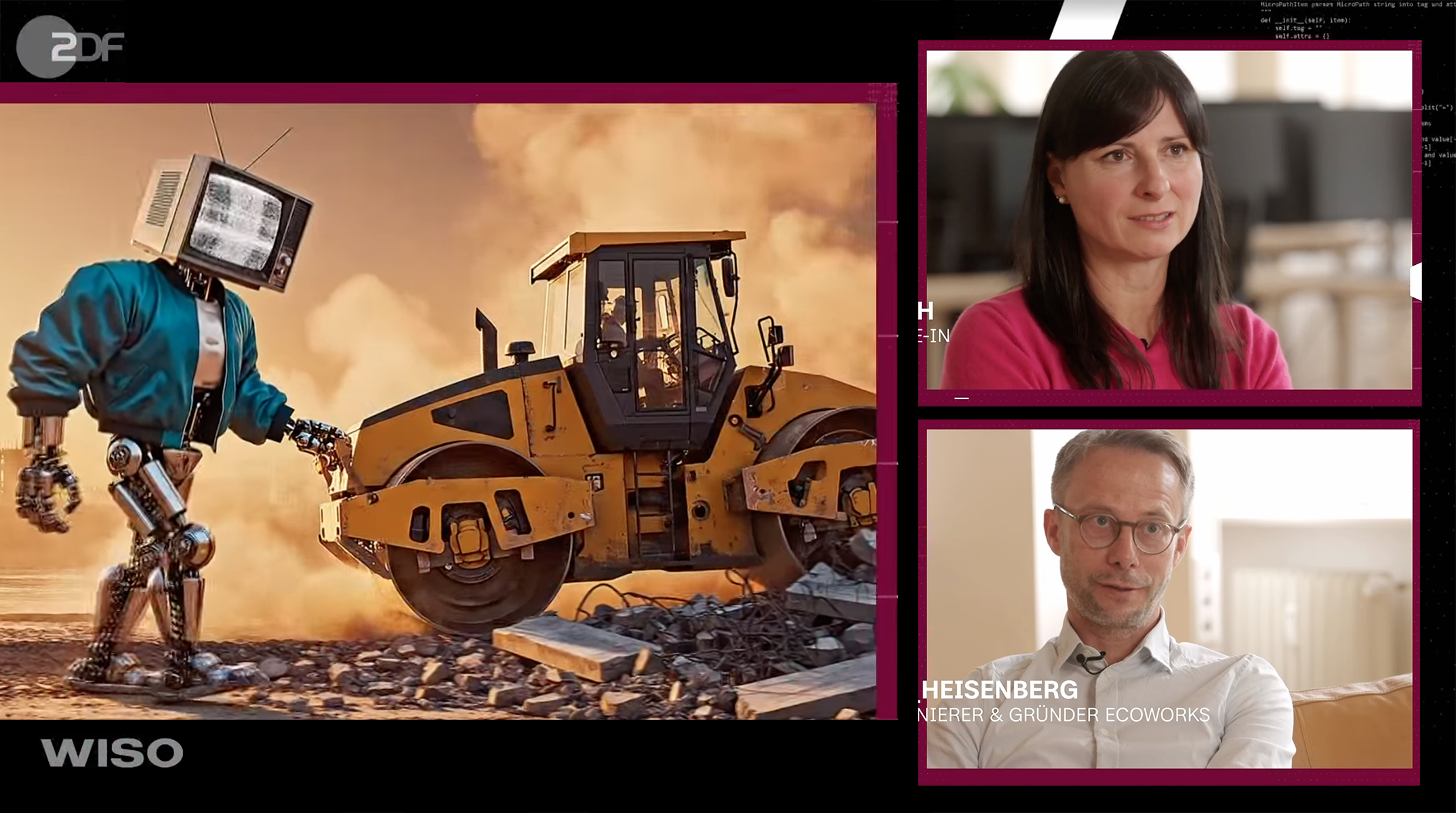
There are not enough homes, and there are not enough people to build them. Across the US, UK, and EU, roughly 15 million homes are missing. Closing that gap the traditional way would take around 7.5 billion additional hours of construction labour, and that labour does not exist.
Outside SuperReturn in Berlin last week, there were protesters. Their worry: that money meant for pensions and public welfare might end up flowing into capital markets.
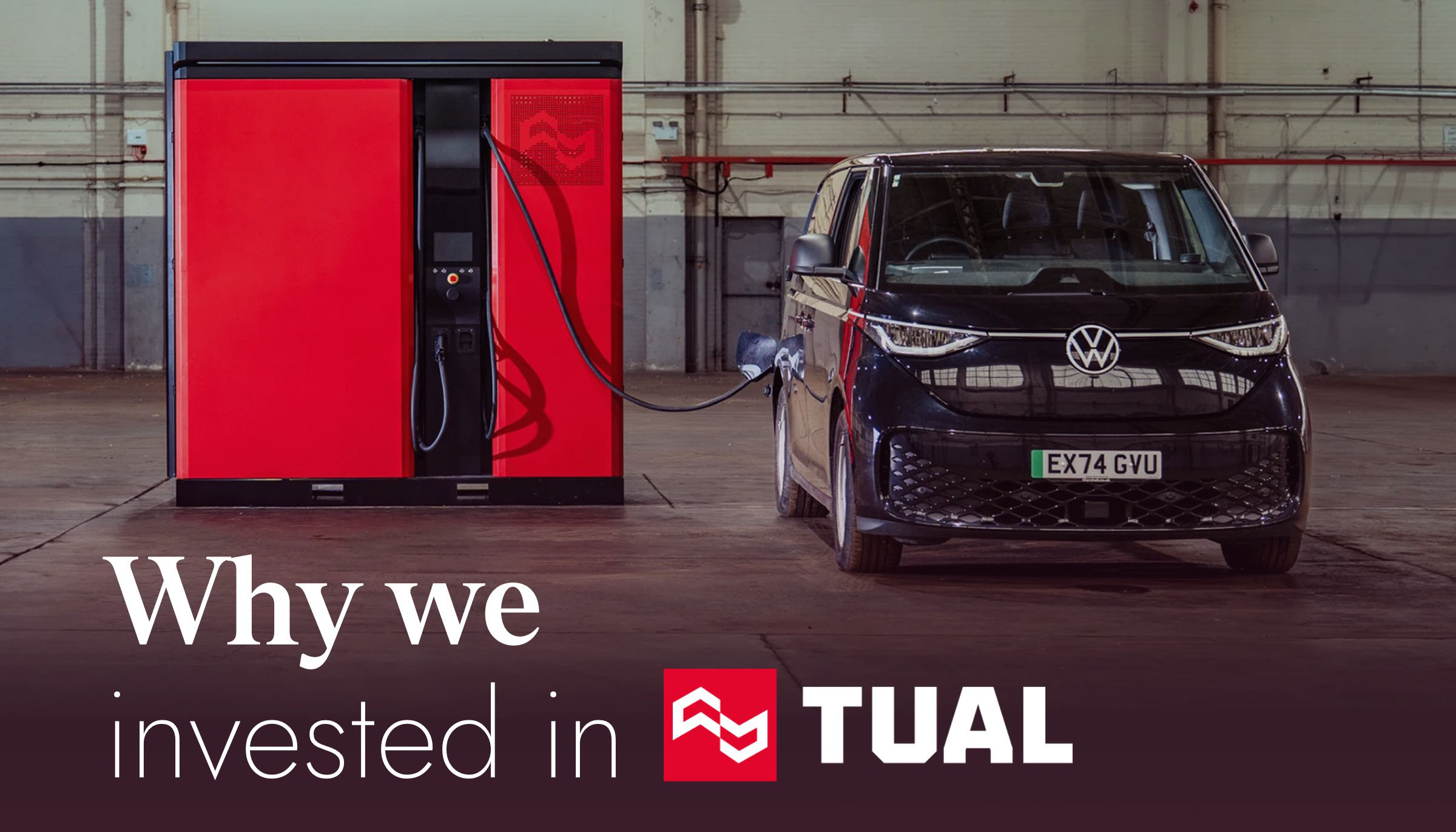
Every day, millions of commercial vehicles keep modern life functioning: police cars and ambulances, the vans of water utilities and grid operators, delivery trucks moving goods between warehouses and stores. These vehicles belong to what the industry calls fleets, groups of vehicles owned and operated by a single organisation.
PT1 Managing Partner Nikolas Samios played a central role at Germany’s “Tag der Immobilienwirtschaft” in Berlin, moderating the innovation panel, serving on the programme advisory board and sitting on the “Innovation of the Year” jury.
95% of Europe's sovereignty problem has nothing to do with defence tech, but it's about power grids, storage, and infrastructure.
ESG is no longer a side topic for the real estate industry. It is becoming a core question of capital allocation, operational resilience and long-term competitiveness.